
Introduction to Kohoj Fort
Kohoj Fort is a historic hill fort close to Palghar, Maharashtra with its dramatic scenery and unique rocks. This fort is situated about 110 kilometers near Mumbai and is an attraction site to trekkers, historians and nature lovers who get an adventurous, heritage and panoramic view of the Sahyadris throughout the year.
Geographic Location
This Fort is about 3,200 feet at Palghar district. The fort is surrounded by thick forests and hilly terrain that provide breathtaking scenery during the Monsoon and winter seasons, which makes the ascent a good and scenic experience, since the nearby villages and seasonal lakes are very visible.
Historical Importance
Kohoj Fort is thought to have been more than eight centuries old and had a strategic positioning in the medieval times. It was one of the forts which were handed over by Chhatrapati Shivaji Maharaj to Mughals according to the Treaty of Purandar in 1665, which features its political and military importance.
Trekking Experience
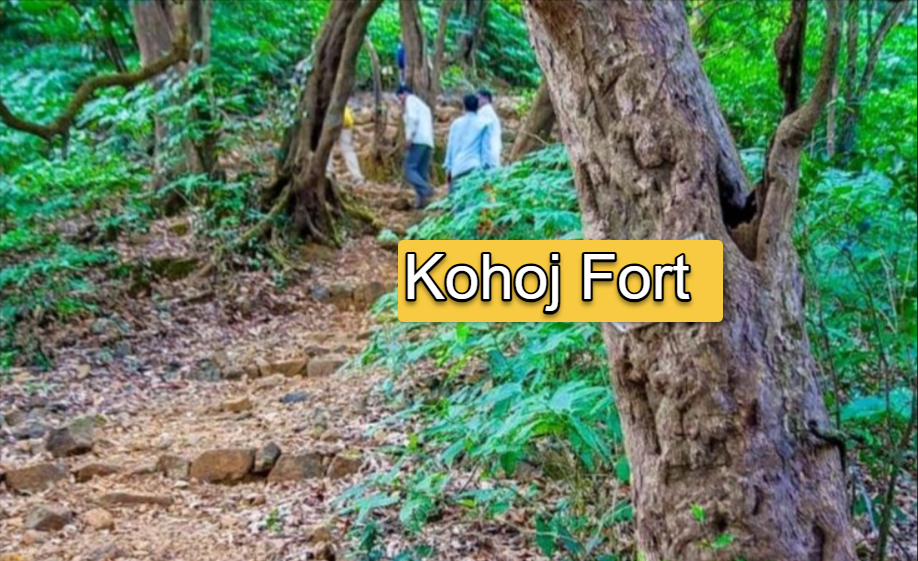
Kohoj Fort hike is rated moderate and it is characterized by gradual ascents and use of forest trail and rocky tracks. The trail is not too difficult yet the beginners will find the proposed route a challenge but still can be completed with simple fitness, which is why the trail is a favorite by adventure-seeking people in Mumbai and other neighbor areas on the weekend.
Unique Man-Shaped Pinnacle
The natural man-shaped pinnacle of the fort is one of the most interesting things. The rock was created as a result of wind erosion and it takes the shape of a human being under certain angles and has become a landmark of sorts attracting both photographers and other geology lovers.
Temples and Water Cisterns
Kohoj Fort has in the top a small temple of Lord Shiva and a number of rock cut water cisterns. These structures reflect long term settlement and harvesting of rainwater activities by the former occupants of the fort to support their lives on the hill.
Scenic Surroundings
At a foot of this Fort, on clear days, is a serene lake at the base, with the reflection of the fort in it, near Shelte village. Waterfalls and vegetation add beauty to the landscape especially during monsoon, which is a contrast to the stone structures of the fort.
Best Time to Visit
Kohoj Fort is best visited in the monsoon season when the scenery is lush or in winter when the weather is clear and there is no problem in trekking. Summer hikes can be made but will not need additional hydration because of higher temperature including lack of shade on the trail.
FAQs
- Can it be considered a good place to start?
Yes, Kohoj Fort can be visited by the beginners of medium fitness, but they have to move slowly and ideally with the experienced people.
- Do we have food facilities at Kohoj Fort?
Kohoj Fort has no food stalls and therefore tourists need to bring their own food and drinking water.
- Can you stay overnight on the Kohoj Fort?
Camping Overnight camping is not popular because it is unsafe and has no facilities; day treks are advised.
