
Inflammation is a natural part of the body’s defense and healing process. When you experience an injury or infection, inflammation helps your immune system respond and protect your tissues. However, when inflammation continues for a long time, it may contribute to a range of health concerns and affect overall well-being.
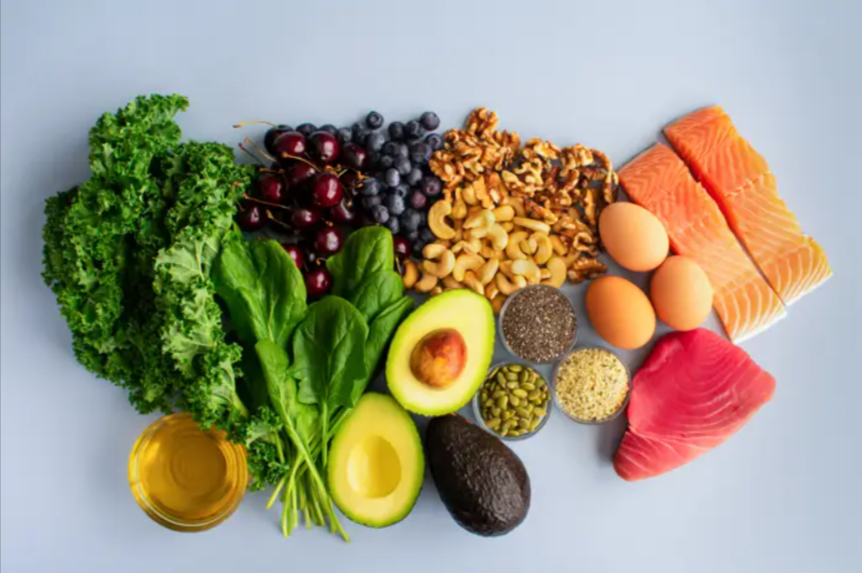
One of the simplest ways to support a healthy inflammatory response is through your everyday diet. Instead of relying on one particular “superfood,” research and nutrition experts generally recommend an overall eating pattern rich in vegetables, fruits, whole grains, legumes, nuts, seeds, fish, and healthy fats. The Mediterranean-style diet is a commonly recommended example.
If you’re looking for practical ways to improve your diet, here are some of the best foods to include regularly.
1. Fatty Fish
Fatty fish such as salmon, sardines, mackerel, and tuna are excellent sources of omega-3 fatty acids. Omega-3 fats are associated with processes that help regulate the body’s inflammatory response.
Adding fish to your meals a few times a week can be an easy way to iease your intake of healthy fats and high-quality protein. Grilled salmon with vegetables, sardines with whole-grain toast, or a tuna and vegetable salad can make nutritious meal choices.
For people who don’t eat fish, plant-based sources such as walnuts, chia seeds, and flaxseeds provide another form of omega-3 fatty acids.
For those looking for a convenient plant-based omega-3 option, you can also explore AutoimmunityCare Vegan Omega 3 Oil as part of a balanced nutrition routine.”
2. Berries and Other Colorful Fruits
Berries are rich in naturally occurring plant compounds called polyphenols. Blueberries, strawberries, raspberries, and blackberries can provide antioxidants and other beneficial compounds that support overall health.
Other colorful fruits, including cherries, oranges, apples, grapes, and pomegranates, can also contribute valuable nutrients and plant compounds to your diet.
A simple approach is to add fruit to breakfast, blend berries into a smoothie, or keep fresh fruit available as a snack instead of highly processed sweets.
3. Leafy Green Vegetables
Leafy greens such as spinach, kale, collard greens, and other dark green vegetables are packed with vitamins, minerals, fiber, and plant compounds. Regularly eating a variety of vegetables is a key part of an anti-inflammatory dietary pattern.
You can add spinach to an omelet, include kale in a salad, or combine leafy greens with lentils and other vegetables for a filling meal.
The goal isn’t to eat one specific green every day. Eating different vegetables provides a broader range of nutrients and beneficial plant compounds.
4. Extra-Virgin Olive Oil
Extra-virgin olive oil is a major source of unsaturated fat and is commonly included in Mediterranean-style eating patterns. It can be used instead of butter or other less healthy fats when preparing meals.
Try using olive oil as a salad dressing, drizzling it over cooked vegetables, or using it in homemade marinades.
Remember that olive oil is still calorie-dense, so portion size matters. The benefit comes from using it as part of an overall balanced diet rather than treating it as a cure for inflammation.
5. Nuts and Seeds
Walnuts, almonds, chia seeds, flaxseeds, pumpkin seeds, and other nuts and seeds provide healthy fats, fiber, minerals, and plant compounds.
Research has associated regular consumption of nuts and seeds with healthier inflammatory profiles and cardiovascular benefits.
A small handful of unsalted nuts can make a convenient snack. Seeds can be added to oatmeal, yogurt, salads, or smoothies. Ground flaxseed is particularly easy to incorporate into everyday meals.
6. Whole Grains
Whole grains such as oats, barley, brown rice, and other minimally refined grains provide fiber and important nutrients. Fiber is an important component of an overall healthy eating pattern and can also support a healthy gut environment.
Try replacing some refined grain products with whole-grain alternatives. For example, oatmeal can replace sugary breakfast cereals, while whole-grain bread can replace refined white bread.
Making gradual substitutions can make healthy eating easier to maintain over time.
Because legumes, whole grains, fruits, and vegetables are rich in dietary fiber, they can also support a healthy gut environment. For those looking to complement a fiber-rich eating pattern with a prebiotic-focused product, Autoimmunity Care GOS Prebiotic Care may be considered as part of an overall nutrition routine.
7. Beans and Lentils
Beans, chickpeas, lentils, and other legumes are excellent sources of plant protein and dietary fiber. They can be an affordable and versatile addition to an anti-inflammatory eating pattern.
You can add lentils to soups, use chickpeas in salads, or prepare beans with vegetables and whole grains for a satisfying meal.
Because legumes are rich in fiber, increasing intake gradually while drinking enough fluids may make the transition more comfortable for people who aren’t accustomed to high-fiber foods.
8. Tomatoes and Other Colorful Vegetables
Tomatoes, broccoli, carrots, peppers, onions, and other colorful vegetables provide vitamins, minerals, fiber, and various plant compounds.
Harvard Health identifies vegetables and fruits as important sources of antioxidants and polyphenols within an anti-inflammatory dietary pattern.
Try building your meals around vegetables rather than treating them as a small side dish. A colorful vegetable bowl with beans, whole grains, and a healthy dressing can provide a wide variety of nutrients in one meal.
9. Turmeric and Ginger
Herbs and spices can add flavor to meals while helping you reduce your dependence on heavily processed sauces and excess salt. Turmeric and ginger are commonly included in discussions of anti-inflammatory foods because they contain bioactive plant compounds.
You can add turmeric to vegetable dishes, soups, curries, or rice-based meals. Fresh ginger can be used in stir-fries, soups, teas, and homemade dressings.
However, it’s important not to think of these spices as a replacement for medical treatment. Their best role is as part of a varied, nutrient-rich diet.
10. Green Tea
Green tea contains polyphenols and antioxidants that may contribute to its potential health benefits. Tea is commonly included in healthy dietary patterns that emphasize minimally processed foods and plant-based compounds.
Replacing sugar-sweetened beverages with unsweetened green tea can also reduce your intake of added sugars.
Foods to Limit
Eating more anti-inflammatory foods is only part of the picture. It can also help to reduce your intake of foods commonly associated with less healthy dietary patterns.
These include sugary drinks, highly refined carbohydrates, deep-fried foods, heavily processed foods, and processed meats. Excessive intake of these foods may contribute to an overall dietary pattern associated with inflammation and other chronic health risks.
Rather than completely eliminating individual foods, focus on improving the overall quality of your meals.
Build an Anti-Inflammatory Plate
A simple way to apply these ideas is to build meals around a combination of vegetables, whole grains or legumes, healthy fats, and a quality protein source.
For example, lunch could include grilled salmon, leafy greens, tomatoes, chickpeas, and a small amount of olive oil. Breakfast could combine oats, berries, walnuts, and unsweetened yogurt. Dinner might include lentils, brown rice, broccoli, and a variety of colorful vegetables.
This approach is more sustainable than depending on one particular food or supplement.
Small Changes Can Make a Difference
You don’t need to completely change your diet overnight. Start by adding one additional serving of vegetables each day, replacing sugary drinks with water or unsweetened tea, choosing whole grains more often, and including nuts, seeds, legumes, or fish regularly.
The evidence generally supports an overall healthy dietary pattern rather than focusing on individual foods as “cures” for inflammation.
For more health and wellness information, explore Autoimmunity Care for additional guidance and resources.
Conclusion
The best foods to naturally support healthy inflammation levels are not exotic or difficult to find. Fruits, vegetables, fatty fish, whole grains, beans, lentils, nuts, seeds, olive oil, herbs, and spices can all fit into a balanced eating pattern.
Most importantly, consistency matters more than perfection. Instead of searching for one food that will eliminate inflammation, focus on creating meals that are colorful, nutrient-dense, high in fiber, and minimally processed.
A balanced diet can be an important part of a healthy lifestyle, alongside regular physical activity, adequate sleep, stress management, and appropriate medical care when needed.
This article is intended for general educational purposes and should not be considered medical advice. If you have a chronic health condition, food allergy, or specific dietary requirement, consult a qualified healthcare professional or registered dietitian before making major dietary changes.
