
Success in business feels like it should follow a simple formula: you get the right tools, and everything falls into place. Many owners start by searching for the perfect setup because it seems like the logical solution to organisational problems. There is a common belief that a digital system will automatically fix a messy workflow or stop money from disappearing. It is a reasonable thought process to have when you are overwhelmed with paperwork and receipts.
The Gap Between Tools And Habits
The reality of running a company involves much more than just the digital tools sitting on a desk. One specific business owner found that even the most expensive digital setup could not prevent a major cash flow crisis. It was a strange situation – the screens showed everything was fine, but the bank account told a different story: while the software was ‘running,’ the team wasn’t using it to track leakages. They were ignoring small expenses that added up to thousands of rupees by the end of the month. They focus so much on digital records that they forget to examine the physical reality of how their team works.
The issue usually comes down to how people interact with the systems they use daily. If data entry is incorrect or people skip steps in a rush, the reports become useless. It is like having a map that is drawn incorrectly. You can follow it perfectly and still end up in the wrong city.
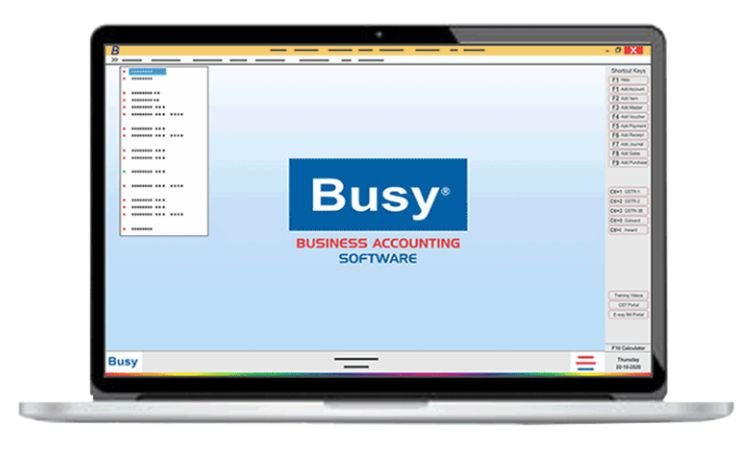
During this period of struggle, the owner realised that the accounting software was just a mirror reflecting existing habits. If the habits are bad, the mirror just shows a clearer picture of the mess. This is where Busy comes into play as a tool for those who want to keep things organised. It serves as a way to track what is happening, but it still requires a person to care about the numbers. It is useful to look at accounting software as a helpful assistant rather than a magic wand that solves every problem.
Finding The Real Solution Through The Process
The thing that actually saved the business was a shift in how they viewed their daily operations. They stopped looking at the software as the boss and started using it as a simple record of their decisions. They began talking more with each other about why certain costs were rising, instead of just staring at the screen. This comes up more often than expected in small teams where everyone assumes someone else is watching the budget.
It turns out that clear communication and simple discipline were the actual heroes of the story. They made sure everyone understood why a single receipt mattered for the whole year. Once the team began respecting the process, the digital tools finally began to deliver the clarity promised. It was a slow change that required a lot of patience and a few uncomfortable meetings.
They found that the best way to handle growth was to keep the rules simple and the goals realistic. It is easy to get distracted by flashy features when what you really need is a solid foundation. Looking through these points early can make the process easier when you apply these ideas to your own work.
