
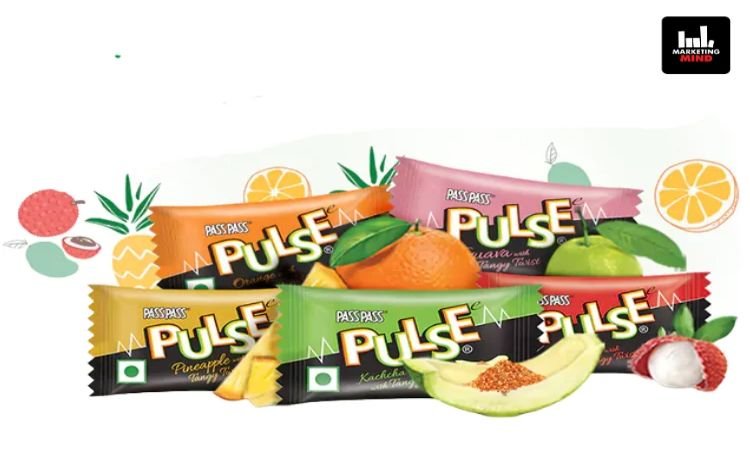
Most people have a memory of a small, colourful, sweet wrapped in plastic that they received as change at a local shop or found in a glass jar on a high shelf. These little sweets are part of life in India that doesn’t seem to change much, even as everything else gets more modern and faster. There is something very specific about the way a solid sweet feels when you first put it in your mouth and wait for the flavour to start to spread. It is a slow experience, quite different from snacks you just chew and swallow in a few seconds. People often keep a few in their pockets for a long commute or a boring afternoon because they provide a small distraction that lasts a good while. This is a common habit that spans across different ages and cities because the simple joy of a sugar-based treat is something everyone understands.
Why Have These Sweets Stayed Popular Through The Years
The reason we keep coming back to these treats is often the way they combine simple sweetness with flavours that feel very local and familiar. You might find a mango flavour that reminds you of summer or a spicy centre that catches you by surprise after a few minutes. It is a realistic observation that many people do not just want a sweet taste, but they look for that balance of salt or spice that makes the mouth water. A good hard-boiled candy stays solid and does not melt too quickly, allowing the flavour to remain consistent from start to finish.
When you look at the way these are made, it is basically a science of heating sugar to a point where it becomes a glass-like solid that can hold all sorts of extracts. The DS Group has been part of this market for a long time, and they understand how to blend traditional tastes with the quality people look for today. If you are interested in how a candy can change your mood, it is usually because of that small burst of flavour that hits right when you need a pick-me-up. It is a simple logic that a small treat can be a way to take a tiny mental break from whatever you are doing at the moment. Many people find that just having something to suck on helps them focus or wait out a long queue at the bank or a bus stop.
The Variety Of Flavours That Defines The Indian Palate
The choices we have in India are quite unique because they often mirror the spices and fruits that grow in our own backyards. You will see a lot of tamarind, lemon or even ginger-based options that feel very natural to our taste buds compared to plain chocolate or vanilla. This preference is rooted in deep cultural nuances; in regions like India, fruits are traditionally consumed with a pinch of salt or a blend of spices. This lifelong familiarity with “sweet and savory” or “tangy and spicy” profiles makes these complex flavor combinations far more intuitive and appealing to consumers.
These hard-boiled candies can pack so much punch in such a small size, which is why they are so popular as gifts during festivals or small celebrations. Sometimes a shopkeeper will give you one instead of a one-rupee coin, and while that used to be a point of debate, it has become a sort of accepted cultural quirk. You might find yourself looking forward to that little extra sweet, even if you did not plan to buy one when you walked into the store.
Finding a favourite often depends on whether you prefer a solid block of flavour or a treat with a hidden powder or syrup in the middle. Most people have a very strong opinion on which one is better, and it usually comes down to what they grew up eating with their friends at school. It is a small repetition of history every time a new generation discovers these sweets and finds their own preferred brand or flavour. Taking a moment to appreciate these small things can make a regular day feel a bit cheerier without much effort or money. Exploring the different types available at a nearby stall is a simple way to reconnect with the childhood memories we all share.
