
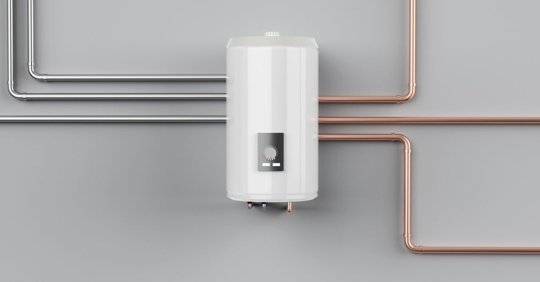
Water heating is an essential part of modern households, especially during colder months and for daily activities such as bathing, cleaning, and kitchen use. As homeowners become more conscious about energy efficiency and electricity consumption, tankless geysers are gaining popularity as a smarter alternative to traditional storage water heaters.
One of the key advantages of tankless geysers is their ability to reduce standby heat loss, a common issue associated with conventional storage water heaters. By heating water only when required, tankless systems help improve energy efficiency while offering convenient access to hot water.
Understanding Standby Heat Loss
Standby heat loss occurs when stored hot water gradually loses heat over time, even when it is not being used. In traditional storage geysers, water remains heated inside a tank for longer periods. As the stored water cools down, the system repeatedly reheats it to maintain the desired temperature.
This continuous reheating cycle consumes additional electricity, even during periods of low or no hot water usage. Over time, standby heat loss can contribute significantly to household energy consumption.
How Tankless Geysers Work
Unlike conventional storage water heaters, tankless geysers do not store hot water in a tank. Instead, they heat water instantly as it flows through the system. When a hot water tap is turned on, cold water passes through a heating element that rapidly raises the water temperature before delivery.
Once the tap is turned off, the heating process stops immediately. Since there is limited storage capacity in the tankless geysers, there is no need to maintain water temperature continuously.
Improved Energy Efficiency
Because tankless geysers operate only when hot water is required, they avoid the constant energy consumption associated with reheating stored water. This makes them more energy-efficient for households that use hot water intermittently throughout the day.
By reducing unnecessary heating cycles, tankless systems can help lower electricity usage and support more efficient energy management in modern homes.
This efficiency becomes particularly beneficial for smaller households or users with moderate daily hot water requirements.
Faster Access to Hot Water
Modern tankless geysers are designed to provide quick heating performance. Instead of waiting for an entire storage tank to heat up, users receive hot water almost instantly after activating the system.
This not only improves convenience but can also reduce water wastage that often occurs while waiting for stored water heaters to reach the desired temperature.
Compact and Space-Saving Design
Tankless geysers are generally smaller and more compact than traditional storage water heaters. Since they do not require large water tanks, they can be installed conveniently in compact bathrooms and modern apartments where space optimisation is important.
Their sleek design also complements contemporary home interiors while reducing wall space usage.
Lower Long-Term Maintenance Concerns
Traditional storage water heaters may experience issues related to tank corrosion, sediment buildup, and insulation wear over time. Since tankless geysers eliminate the need for a storage tank, they reduce several maintenance challenges associated with stored water systems.
With proper installation and periodic servicing, tankless systems can provide reliable long-term performance with lower maintenance requirements.
Suitable for Modern Energy-Conscious Homes
As households increasingly prioritise energy efficiency and sustainable living, tankless geysers offer a practical solution that aligns with modern lifestyle needs. Their ability to reduce standby heat loss, save space, and deliver on-demand hot water makes them an attractive option for urban homes.
For homeowners seeking improved efficiency without compromising convenience, tankless water heating technology provides a smart and effective alternative.
Conclusion
Tankless geysers help reduce standby heat loss by heating water only when needed instead of storing and reheating it continuously. This efficient operating method supports lower energy consumption, improved convenience, and better space utilisation for modern households.
