
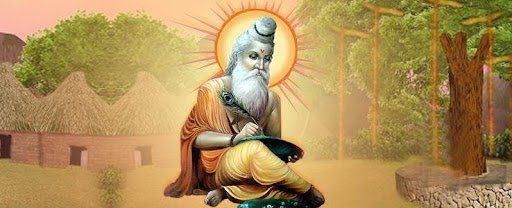
Once upon a time, with its rich history, the Kashyap caste was the most important in Hindu society. With its link with Rishi Kashyap, the community is spread across North India. Rishi Kashyap was a Saptarishis. Once, the community was linked to the Brahmin and later related to the Rajputs.
Have a look at the key aspects of Kashyap Caste:
- Origin associated with Rishi Kashyap: The name Kashyap derives from Rishi Kashyap, who is a Vedic sage mentioned in many Hindu scriptures. The Rishi has been considered as the progenitor of many beings, including humans, gods, demons and so on.
- Social structure: Although Kashyap was traditionally a Brahminical clan, many communities have adapted the title using Sanskritisation to enhance their social status. So, now the clan system has been adopted by many other communities.
- Communities: The community holds a range of occupational groups like Dhimar, Bind, Batham, Kewat, Kumhar, Mallah and Nishad.
- The geographical presence:The community has been present in Uttar Pradesh, Haryana, Punjab, Himachal Pradesh, Odisha, Bihar, Rajasthan, Ladakh and Jammu and Kashmir.
Know about the history of the Kashyap caste!
Initially, Kashyap was one of the eight primary Gotras of the Brahmin. Later, it was adapted by many other clans as discussed above.
- Creation
According to the mythology, the Vedic Sage, Rishi Kashyap was the grandson of Lord Brahma and the 13 daughters of Daksha. His children include Gods, Demons, serpents and other birds and animals. It can be said that he is the god of all the species.
The social and cultural Role!
- Initial occupation:
Initially, the Kashyap identity has been engaged in various occupations like Artisanal work, agriculture and fishing. But through the process of Sanskritisation, many made the community broader with more occupations.
- Political influence:
In various states like Bihar and Uttar Pradesh, the community is a major political force. Various organizations like All India Kashyap Rajput Mahasabha and Kashyap Ekta Kranti Mission represent the community. Additionally, it gains the reservation benefits by reclassification of the community from other backward classes and the scheduled castes.
- Cultural influence:
The Kashmir Valley itself is named after Rishi Kashyap, highlighting the geographical and deep mythological ties of the Kashyap caste.
- Marriage customs:
It involves various regional rituals like engagement and other wedding rituals. In the engagement ceremony, the Tilak and Ashirwad ceremonies take place, that confirms the marriage ahead.
The wedding Rituals include Kanyadaan, Mangal Snan and Sangeet.
Modern times!
Over the passage of time, the community has also adapted to modern culture. The caste emphasizes the Rajput heritage, balancing the traditional Brahmin roots with Martial associations.
Professions:
The community has given them identification with education. They are performing a diverse range of jobs apart from their traditional occupation. With the emphasis on education and economical participation, one can see the community everywhere in all the fields.
However, the community is putting their best efforts into preserving its rich heritage and traditions.
Conclusion!
In the end, the Kashyap caste in India is a diverse group that is linked with the Sage Kashyapa historically. They are bridging the gap between the mythological past and have become a modern political reality. Ultimately, they reflects their adaptive nature of the Indian caste system.
