
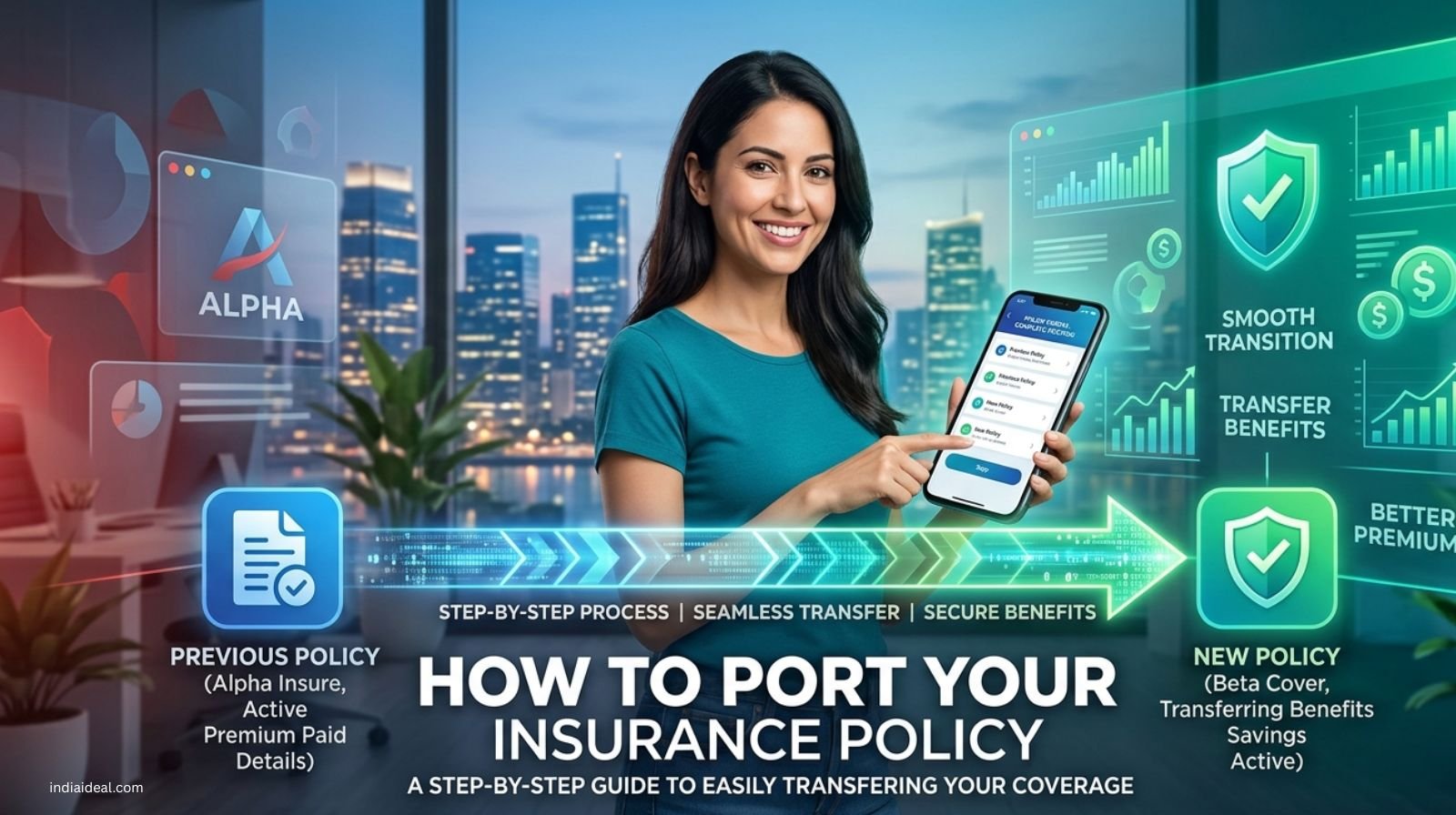
In the modern financial landscape, loyalty to a single brand shouldn’t come at the cost of your wallet or your peace of mind. If you find that your current insurance provider is hiking premiums, offering sluggish customer service, or lagging in digital features, it might be time to move on.
This process is known as Insurance Portability. It is the legal right of a policyholder to transfer their existing policy from one insurer to another without losing the hard-earned benefits they’ve accumulated over the years. Whether it is Health Insurance or Motor Insurance, porting allows you to shop for better deals while keeping your “credit” for time served.
If you’ve been feeling stuck with a subpar plan, this comprehensive guide will walk you through the “why,” the “how,” and the “when” of porting your insurance policy like a pro.
1. What Exactly is Insurance Portability?
At its core, Insurance Portability is a consumer-friendly regulation designed to encourage competition among insurance companies. In the past, if you left an insurer, you had to start from scratch with a new company. This meant losing benefits like the No Claim Bonus (NCB) or waiting periods for pre-existing diseases.
Today, porting ensures that your “loyalty points” follow you. If you have spent three years waiting for a specific health coverage to kick in at Company A, Company B must recognize those three years when you switch. This makes Insurance Porting one of the most powerful tools in a policyholder’s arsenal.
2. Why Should You Consider Porting?
Why go through the effort of switching? Most savvy consumers port their policies for a few specific reasons:
-
High Premiums: If your current insurer has increased costs without adding value, it’s time to look for a more Cost-Effective Insurance plan.
-
Poor Claim Settlement: If you’ve heard horror stories about your current insurer’s Claim Settlement Ratio, moving to a more reliable provider is a smart move.
-
Hidden Clauses: Sometimes, we realize too late that our policy has “co-payment” clauses or “room rent caps” that make the coverage less effective.
-
Better Features: Newer insurance products often include modern perks like OPD Coverage, Global Health Cover, or Wellness Rewards that older policies lack.
-
Customer Service: In the digital age, if your insurer doesn’t have a functional app or a 24/7 helpline, you are settling for less.
3. The Step-by-Step Process of Porting Your Policy
Porting isn’t as simple as clicking a single button; it requires a bit of timing and paperwork. Here is the roadmap to a successful transfer.
Step 1: Time it Right
You cannot port your policy in the middle of the year. Most regulators require you to initiate the porting process at the time of Policy Renewal. Specifically, you must notify your new insurer at least 45 to 60 days before your current policy expires.
Step 2: Choose Your New Provider
Research and compare different Insurance Carriers. Look beyond just the premium price. Check their network of hospitals (for health) or garages (for motor), and read independent reviews of their claim process.
Step 3: Fill Out the Portability Form
Once you pick a new company, you will fill out a Portability Form along with a fresh proposal form. This is where you provide details of your current policy and your medical/accident history.
Step 4: Document Submission
You will typically need to provide:
-
Your previous year’s Policy Schedule.
-
A No Claim Bonus certificate (for motor insurance).
-
Discharge summaries or medical records if you’ve made claims in the past.
-
Identity and address proofs (KYC documents).
Step 5: The Underwriting Process
The new insurer will look at your history. They may ask you to undergo a Medical Check-up if you are porting a health policy and are above a certain age. Based on their risk assessment, they will decide whether to accept your application.
Step 6: Acceptance and Payment
If the new company accepts you, they will issue a quote. Once you pay the Insurance Premium, your new policy is activated, and your old benefits are officially “ported” over.
4. Key Considerations for Health Insurance Porting
Health Insurance is the most common type of policy people choose to port. Here is what stays and what changes:
-
Waiting Periods: If you have already completed a 3-year waiting period for a pre-existing disease (PED) with your old insurer, the new insurer cannot make you wait another 3 years. This is the biggest advantage of Health Insurance Portability.
-
Sum Insured: You can increase your Sum Insured when porting, but the “portability credit” only applies to the original amount. For the increased amount, you may have to serve new waiting periods.
-
Cumulative Bonus: Most insurers allow you to port your earned No Claim Bonus, effectively increasing your coverage amount at the new company without extra cost.
5. Porting Your Motor Insurance
When it comes to your car or bike, porting is primarily about the No Claim Bonus (NCB).
If you have a 50% NCB because you haven’t made a claim in years, that discount represents a massive saving on your premium. When you switch insurers, ensure you get an NCB Transfer Certificate from your old provider. This ensures your new Car Insurance Policy remains affordable.
6. Common Pitfalls to Avoid
Even the most organized people can run into trouble when switching carriers. Watch out for these traps:
-
Late Application: If you apply for porting only 10 days before your policy expires, the new insurer has the right to reject the request based on insufficient processing time.
-
Non-Disclosure: Never hide a medical condition or a past accident. If the new insurer discovers a Material Fact was hidden during the porting process, they can reject your claims later.
-
Ignoring the “Grace Period”: While there is often a grace period for renewals, porting is much cleaner if done while the policy is active.
-
Comparing Apples to Oranges: Ensure the new policy has the same (or better) sub-limits and exclusions as the old one. A cheaper premium often means more out-of-pocket expenses during a claim.
The Role of the Underwriter
It is important to understand that porting is not a “guaranteed right” in terms of acceptance. While you have the right to apply, the new insurance company has the right to Underwrite the risk.
If your health has deteriorated significantly since you took your original policy, the new company might “load” your premium (charge you more) or, in rare cases, decline the porting request. This is why it is better to port while you are relatively healthy.
Financial Benefits of Switching
Porting is a strategic move for your Financial Portfolio. By constantly evaluating your coverage, you ensure that:
-
You aren’t overpaying for Insurance Coverage.
-
Your Asset Protection is aligned with current market costs (inflation).
-
You take advantage of Tax Benefits under sections like 80D (for health insurance) more effectively by opting for better-structured plans.
Frequently Asked Questions (FAQs)
Does porting cost money?
No, insurance companies generally do not charge a “porting fee.” However, the premium of the new policy might be higher or lower depending on the benefits you choose.
Can I port from a Group Policy to an Individual Policy?
Yes! Many employees who have Group Health Insurance provided by their company choose to port to an individual plan when they leave their job. This allows them to keep the credit for the years they were covered under the corporate plan.
Will my policy number stay the same?
No. You will receive a brand-new policy number and a new set of terms and conditions from the new insurer.
Conclusion: Take Control of Your Coverage
The ability to Port Insurance Policy is a testament to consumer empowerment. You are no longer “locked in” to a contract that doesn’t serve your needs. By understanding the timeline, keeping your documents ready, and being transparent with your new provider, you can enjoy better service and superior protection.
Don’t let a fear of paperwork stop you from seeking better Financial Security. Evaluate your current policy today—if it’s not ticking all the boxes, it’s time to start the porting process. Your future self will thank you for the better coverage and the savings you’ve secured.
Remember, insurance is about more than just a piece of paper; it’s about the promise of help when you need it most. Make sure that promise is held by a company you trust.
