
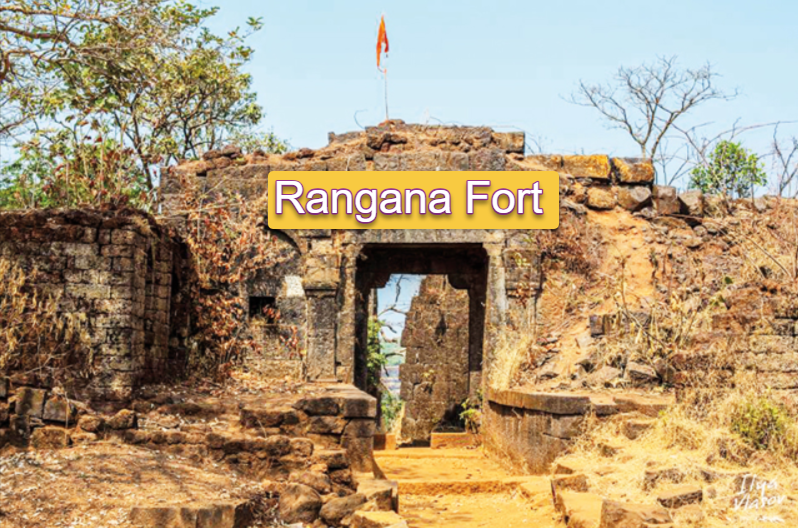
Overview of Rangana Fort
Prasiddhagad, also known as Rangana Fort, is a very well-known hill fort of the Sahyadri range on the KolhapurSindhudurg border. It is approximately 2,600 feet high, has dense forests, is known to have wildlife sighted and its reputation as being one of the most difficult forts to conquer.
Geographic Location
The fort is deep into the woodland in the forest weeds with denser jungle and steep inclines. Remote location increases the value of adventure and provides isolation. The Rangana Fort is on very important routes connecting the Konkan coast to the Deccan plateau and thus is naturally fortified as well as advantageous.
Early History
The fort was originally constructed in the twelfth century by a King Bhoj II of the Shilahara dynasty, but the fort subsequently changed possession several times. Its early history lays emphasis on the surveillance, security of the trade routes and also the defence in the long term which is the base of its subsequent Maratha significance.
Maratha Significance
The victory over Afzal Khan in 1659 led to Chhatrapati Shivaji Maharaj taking over the Rangana Fort under the Adilshahi kingdom. It turned out to be a major Maratha bastion and it was not conquered by Aurangzeb which underscored its defensive advantage and strong fortifications.
British Period Impact
In 1844, a Kolhapur rebellion forced British forces to bombard the fort and inflict extensive damage to its structure. Nonetheless, some of the aspects were preserved. Ruins today also tell the tales of resistance, and this is why Rangana fort is a significant historical site of Maratha and colonial wars.
Architectural Features
The five huge stone gates portray great planning of defense in the fort. There are two significant temples in the fort one is Ranganai Devi and another one is Bhadrakali. There was an extensive perennial Lake and various water tanks that would provide water all year round to the stationed troops.
Trekking Experience
The walk to Rangana Fort is moderate in nature and it entails forested trails, rocky, and sometimes steep ascents. The presence of wildlife is an issue to be careful of. The trek normally takes two to three hours and it rewards the trekkers with the sense of loneliness, adventure and vast natural environment.
Best Time and Preparation
The weather is best and they have safer trails in October to March. Monsoons come with fertile lands but make the challenges more difficult. Trekkers must be well stocked in terms of water, snacks, and durable shoes. There is poor connectivity of mobile and as such, the fort trek should be planned well before one can take chances.
FAQs
- Is it typical to see wildlife?
Bears or leopards are occasionally spotted. It is highly recommended to go trekking in groups and during the day.
- Can it be used to do overnight camping?
With appropriate authorisations one can camp though weather conditions and safety considerations should be put into serious account.
- What is the duration of exploration?
It normally takes between one and two hours to explore the fort once one is on the top depending on the speed and the interest.
